Frequently Asked Questions
Why did AC stop working?
The AC may stop working due to various reasons, such as a tripped circuit breaker, refrigerant leaks, or a malfunctioning thermostat. Regular maintenance can help identify and resolve these issues promptly.
How much is AC repair?
The cost of AC repair varies based on the specific issue, but it typically ranges from $100 to $1,500, depending on the complexity of the repair and the parts needed. For a precise estimate, contact King Mechanical LLC.
How long does AC repair take?
The duration of AC repair can vary based on the issue's complexity, typically ranging from one to several hours. King Mechanical LLC strives to complete repairs efficiently while ensuring quality service.
What common issues cause AC failures?
Common issues that cause AC failures include refrigerant leaks, dirty filters, malfunctioning thermostats, and clogged drain lines. Regular maintenance can help prevent these problems and ensure your system operates efficiently.
How to troubleshoot AC not working?
Troubleshooting an AC that is not working involves checking the thermostat settings, ensuring the unit is powered on, inspecting the circuit breaker, and replacing or cleaning filters. If issues persist, contact a professional for further assistance.
What factors affect AC repair costs?
The factors affecting AC repair costs include the severity of the issue, the type of replacement parts needed, labor rates in your area, and the age and brand of your unit. These elements collectively determine the overall expense of the repair service.
When to schedule AC repair services?
The right time to schedule AC repair services is when you notice unusual noises, decreased cooling efficiency, or a rise in energy bills. Prompt attention to these signs can prevent further damage and ensure your comfort.
How to maintain an AC unit?
Maintaining an AC unit involves regularly cleaning or replacing filters, checking the thermostat settings, ensuring proper airflow, and scheduling annual professional maintenance to keep it running efficiently and prolong its lifespan.
What signs indicate AC needs repair?
Signs that indicate your AC needs repair include inconsistent cooling, unusual noises, unusual odors, high energy bills, and water leakage. Timely attention to these issues can help maintain your system's efficiency and prolong its lifespan.
Can I repair my AC myself?
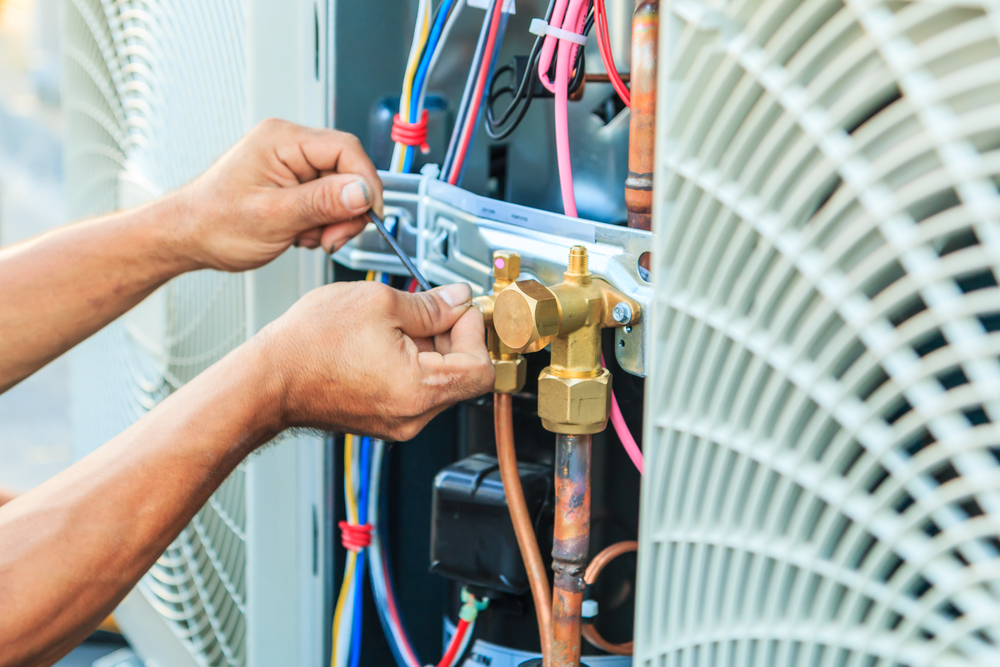
Repairing your AC yourself is possible for minor issues, but it is often risky and may void warranties. For safety and optimal performance, it’s best to consult a professional HVAC technician like King Mechanical LLC.
What to expect during AC repair?
During AC repair, you can expect a thorough inspection of your system, identification of issues, and a detailed explanation of needed repairs. Our technicians will work efficiently to restore your air conditioning to optimal performance, prioritizing quality and customer satisfaction.
How often should I service my AC?
Regular servicing of your AC is essential for optimal performance. It is recommended to service your air conditioning unit at least once a year, preferably before the peak cooling season, to ensure efficiency and prevent unexpected breakdowns.
How to choose an AC repair company?
Choosing an AC repair company involves considering their experience, customer reviews, and certifications. Look for transparency in pricing and a commitment to quality service, ensuring they can handle your specific HVAC needs effectively.
What is the average lifespan of an AC?
The average lifespan of an AC unit is typically 15 to 20 years, depending on factors such as maintenance, usage, and the quality of the unit. Regular service can help extend its longevity.
Are there emergency AC repair services?
Emergency AC repair services are available through King Mechanical LLC. We understand that a malfunctioning air conditioning system can seriously disrupt comfort, so our team is ready to assist you promptly, ensuring your home stays cool and comfortable.
How to prevent AC breakdowns?
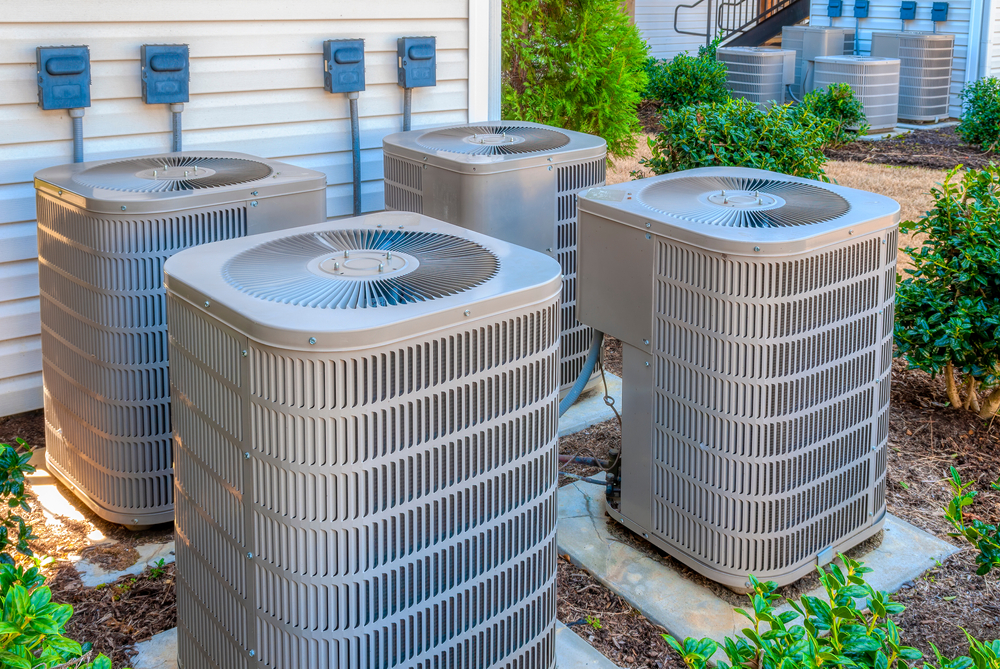
Preventing AC breakdowns involves regular maintenance, such as changing filters, scheduling professional inspections, and keeping the outdoor unit clear of debris. These practices ensure optimal performance and extend the lifespan of your air conditioning system.
What warranty options are available for AC repair?
Warranty options for AC repair vary by service and manufacturer, typically including limited warranties that cover parts and labor for a specified period after the repair, ensuring your investment is protected.
What tools are needed for AC repair?
The tools needed for AC repair include a multimeter, refrigerant gauges, screwdrivers, wrenches, and a vacuum pump. These essential tools help diagnose issues, handle refrigerant, and perform necessary repairs efficiently.
How to evaluate AC repair estimates?
Evaluating AC repair estimates involves comparing quotes from multiple HVAC professionals, ensuring clarity on parts, labor costs, warranties, and service details. Look for transparency and any additional fees to make an informed decision.
What indoor factors influence AC performance?
Indoor factors that influence AC performance include insulation quality, humidity levels, the size of the space, and air circulation. Proper management of these elements ensures efficient cooling and enhances overall system effectiveness.
How do weather conditions affect AC repair?
Weather conditions significantly affect AC repair by influencing the frequency of maintenance needs and repair urgency. Extreme temperatures can stress systems, potentially leading to breakdowns that require prompt attention to ensure optimal indoor comfort.
What maintenance can improve AC efficiency?
Regular maintenance can significantly improve AC efficiency. Key practices include cleaning or replacing filters, checking and sealing ductwork for leaks, ensuring proper refrigerant levels, and scheduling professional tune-ups to inspect and optimize system performance.
How to identify AC refrigerant leaks?
Identifying AC refrigerant leaks involves checking for hissing sounds, ice buildup on the coils, and an increase in energy bills. Additionally, you can apply a soap solution to joints and connections, watching for bubbles that indicate a leak.
What are the benefits of timely AC repair?
The benefits of timely AC repair include improved efficiency, reduced energy costs, enhanced indoor comfort, and prevention of more severe issues. Addressing problems promptly ensures your system operates optimally and prolongs its lifespan, ultimately saving you money.
How can I improve AC airflow?
Improving AC airflow involves regular maintenance such as cleaning or replacing filters, ensuring vents are unobstructed, and checking ductwork for leaks. These steps will enhance efficiency and help maintain a comfortable indoor environment.
Why is my AC making strange noises?
The presence of strange noises from your AC indicates potential issues such as loose components, a faulty motor, or debris obstructing the system. It's crucial to address these sounds promptly to ensure optimal performance and avoid costly repairs.
What should I do before AC repairs?
Before AC repairs, it's important to ensure the area around your unit is clear and accessible. Additionally, check the thermostat settings and power supply to confirm that the unit is receiving electricity.
How to dispose of old AC units properly?
Proper disposal of old AC units involves contacting a licensed HVAC professional for safe removal and recycling, as they contain refrigerants that must be handled according to environmental regulations. Always check local services for appliance recycling options.
What are the latest AC technologies?
The latest AC technologies include smart thermostats, variable speed compressors, and energy-efficient systems that utilize eco-friendly refrigerants, enhancing comfort and reducing energy consumption for homeowners.
What seasonal checks are needed for AC?
Seasonal checks needed for an AC include inspecting and replacing the air filter, checking refrigerant levels, cleaning the coils, and ensuring the thermostat is functioning properly. These steps help maintain efficiency and prolong the system's lifespan.